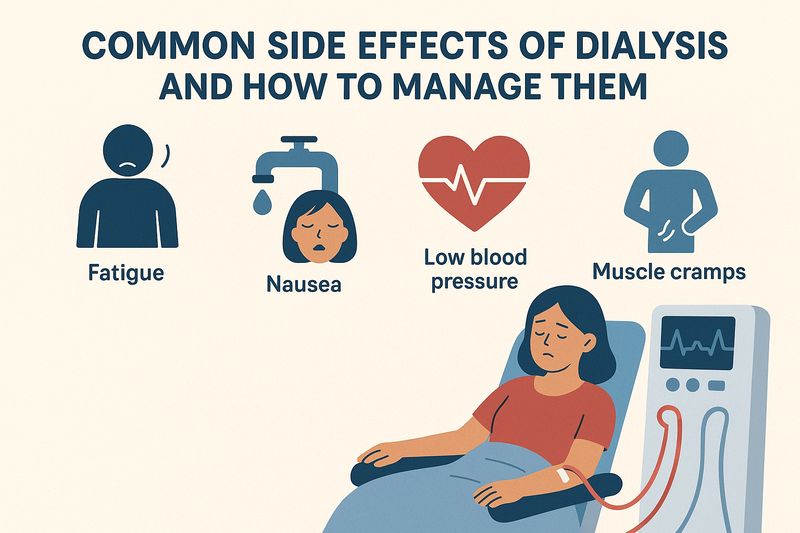
01.Low blood pressure – Dizziness and weakness during dialysis?
Q1:· Why does this happen?
During dialysis, the water in the blood is rapidly filtered out (a process known as ultrafiltration), which can result in a decrease in blood volume and a drop in blood pressure.
Q2:·Common symptom?
● Dizziness, fatigue
● Nausea, blurred vision (seeing blackness)
● Fainting in severe cases
Q3:How to deal with it?
Control water intake: Avoid excessive weight gain before dialysis (generally no more than 3%-5% of dry weight).
● Adjust dialysis speed: Modify the ultrafiltration rate.
● Elevate lower limbs: If feeling unwell, try lifting the legs to promote blood circulation.
● Low-salt diet: Reduce salt intake to prevent fluid retention.
02.Muscle Spasms – What to do if you get leg cramps during dialysis?
Q1:Why does this happen?
● Excessive rapid loss of fluid, leading to insufficient blood supply to muscles.
● Electrolyte imbalance (e.g., hypocalcemia, hypomagnesemia).
Q2:Common symptoms
● Sudden cramping and pain in calf or thigh muscles
● May last for several minutes or longer
Q3:How to deal with it?
● Adjust ultrafiltration rate: Avoid excessive rapid dehydration.
● Local massage + hot compress: Relieve muscle tension.
● Supplement calcium and magnesium: Take supplements under doctor’s guidance if necessary.
03.Anemia – Always feeling tired after dialysis?
Q1:Why does it happen?
● Loss of red blood cells during dialysis.
● Decreased production of erythropoietin due to declining kidney function.
Q2:Common symptoms
● Pale complexion and easy fatigue
● Rapid heartbeat and shortness of breath
Q3:How to How to deal with it?
● Eat more iron-rich foods: Such as lean meat, animal liver, spinach, etc.
● Supplement vitamin B12 and folic acid: Can be obtained through diet or medication.
● Inject erythropoietin if necessary: Doctors will prescribe it based on individual conditions.
04.Dialysis Disequilibrium Syndrome – Headache or vomiting after dialysis?
Q1:Why does it happen?
When dialysis is too rapid, toxins in the blood (such as urea) are cleared quickly, but toxins in the brain are cleared more slowly, leading to osmotic imbalance and cerebral edema.
Q2:Common symptoms
●Headache, nausea, and vomiting
●Increased blood pressure and drowsiness
●Convulsions in severe case
Q3:How to How to deal with it?
● Reduce dialysis intensity: Initial dialysis sessions should not be too long.
● Rest more after dialysis: Avoid strenuous activities.
● Avoid high-protein diets: Reduce protein intake before and after dialysis to prevent rapid accumulation of toxins.
Summary: How to make hemodialysis safer?
1.Control water intake to avoid excessive weight gain.
2.Maintain a balanced diet with adequate nutrition (low-salt, moderate protein)
3.Conduct regular check-ups to monitor blood pressure, electrolytes, and other indicators.
4.Communicate promptly: Inform medical staff immediately if you feel unwell during dialysis.
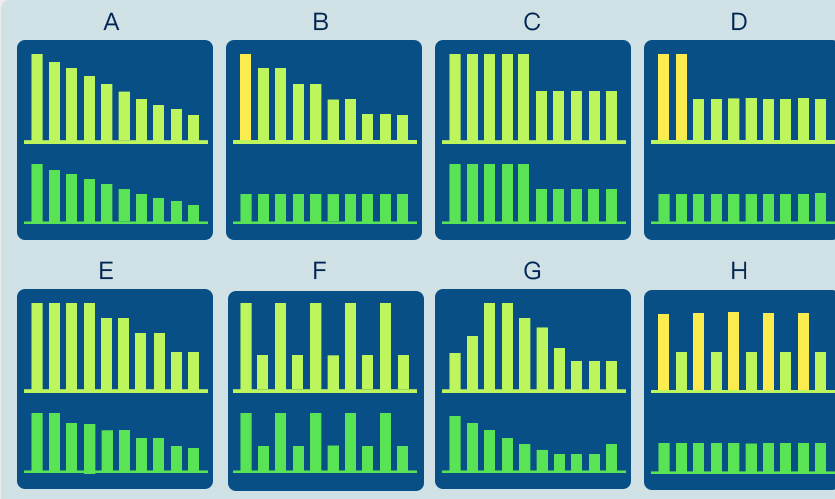
ThriveHD hemodialysis machine has developed a personalized dialysis function to address the above issues, which is more suitable for the individual conditions of each patient,with 8kinds of combination of UF profilling and sodium concentration profilling can help alleviate and reduce clinical symptoms such as imbalance syndrome, hypotension, muscle spasms, hypertension, and heart failure in clinical treatment. Its clinical application value lies in the ability to select corresponding working parameters and dialysis modes at different time periods through “one button” operation for different individuals, and automatically complete the entire process of dialysis treatment.